What can you find in the beginner’s guide?
This beginner’s guide will help you navigate the RestPoll Toolbox, explaining which tools are available and how to easily choose the right ones based on your goals.
Is it the first time learning about pollinators and you would like to find out more before taking action? On this page, you’ll find a brief overview of pollinators, including which insect pollinators are most common in Europe, why they are essential to ecosystems, what is driving their decline, and why protecting and restoring their habitats is so important.
Are you ready to take action but you don’t know where to begin? On this page we offer you 5 actions that you can start with – the 5Rs Restore, Rethink, Read, Record, Rally! Just choose the action that’s right for you, and discover how our tools can help you achieve it.
Pollinators are all those animals that, moving from one flower to another, transport the pollen from the male part of the flower to the female part of the flower, helping plant reproduction. Pollinators include insects, birds, mammals (including bats), and other vertebrates. Bees, bumblebees, solitary bees, butterflies, moths, and hoverflies are all flower-visiting insects, and therefore they are considered pollinators.
Bees
Globally, there are over 20,000 species of bees. In Europe, there are 77 bee genera and 2,138 bee species. Bees belong to the Apoidea superfamily, and include honey bees, bumblebees, and wild and solitary bees. Bees come in a wide variety of colours, sizes, and appearances.
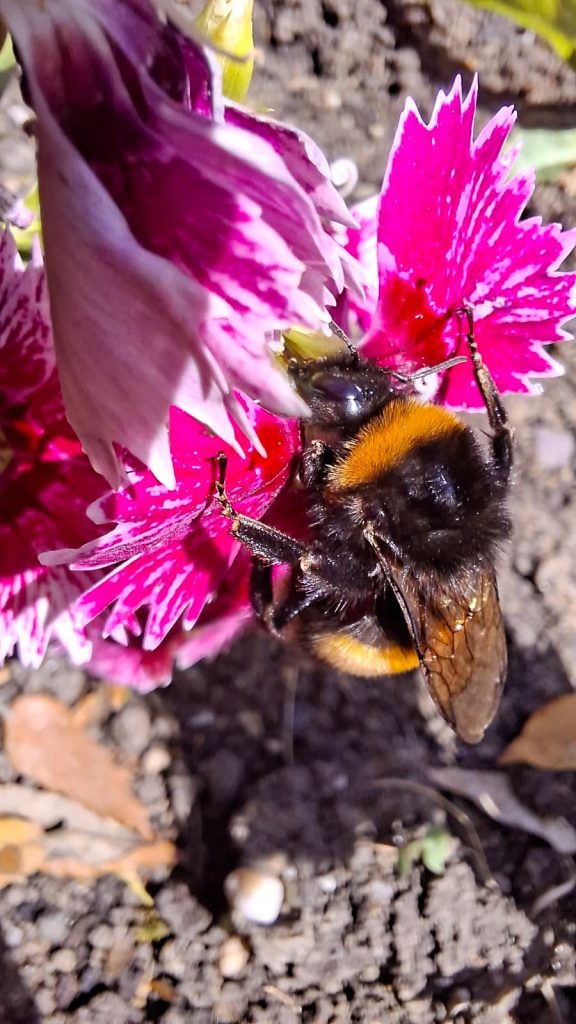
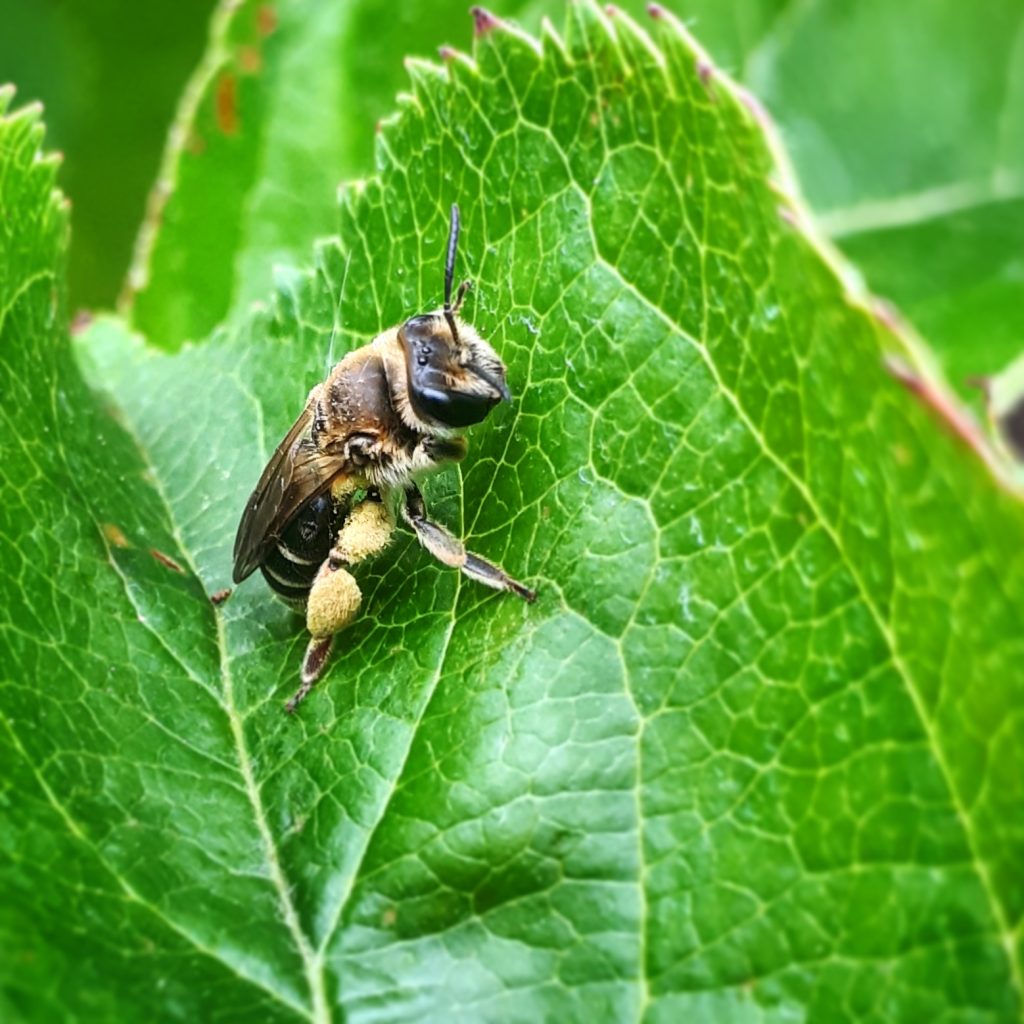
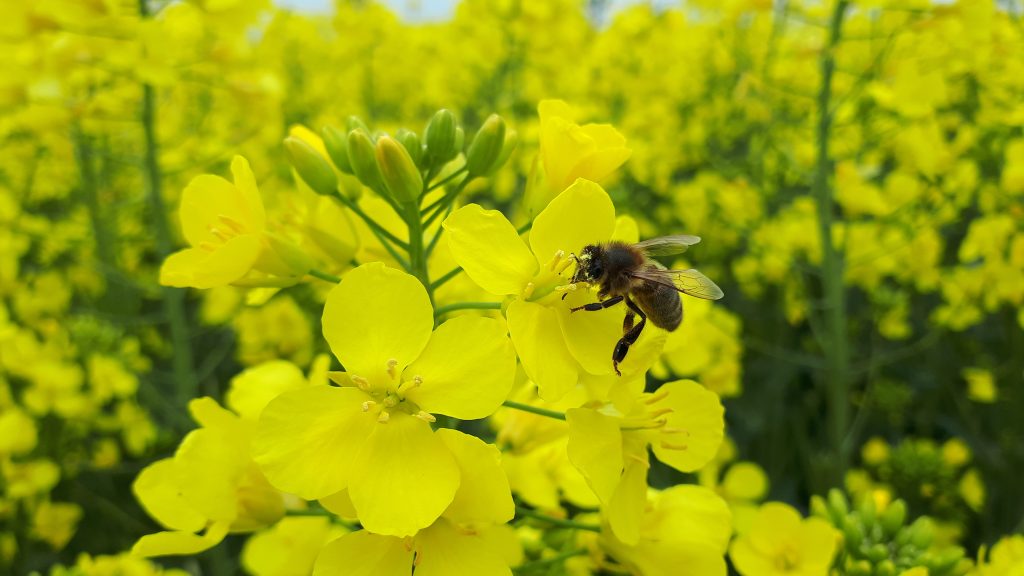
Most bee species are wild, while a smaller number are managed by humans, including honey bees and some species of bumblebees, stingless bees, and solitary bees. Most bees are ground nesters, but some build their nests in stems or holes in trees or wood (e.g. some species of solitary bees) and others live in colonies (honey bees and bumble bees).
Globally, bees are the most important pollinators because they visit flowers to collect pollen for their larvae, and adults feed exclusively on the nectar of flowers. In some groups of bees, nectar is also used to produce honey. The entire life cycle of bees is therefore dependent on flowering plants.
Would you like to learn how to identify bees?
Would you like to create a habitat that can support bees?
To find out the answers to these questions (and all the other questions buzzing in your mind), explore our toolbox.
Not sure how to use the toolbox?
Hoverflies
In Europe, there are 913 species of hoverflies, also known syrphids. Despite their appearance can often be confused with bees, hoverflies belong to the Diptera order and therefore are flies. Here’s some small tricks to distinguish a hoverfly from a bee. To tell hoverflies apart from bees have a look at their eyes (large compound eyes), antennae (short), wings (a single pair, kept out while resting), mouth and facial structure (relatively short mouthparts), legs (lack of specialised pollen collecting structures), and flying.
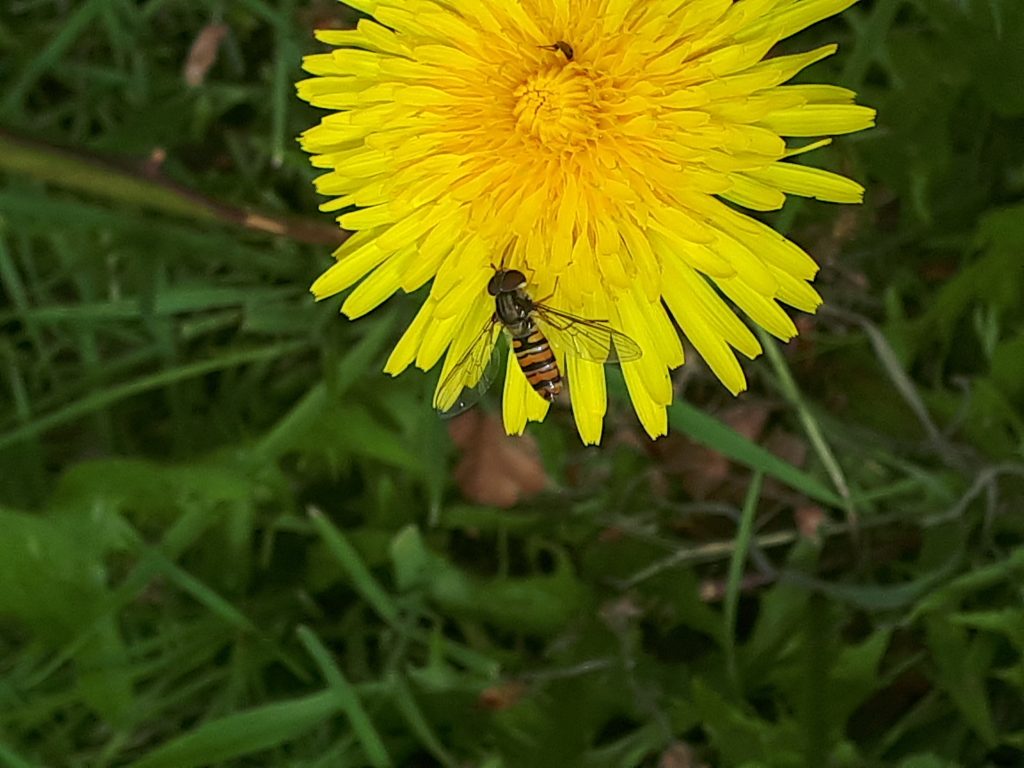
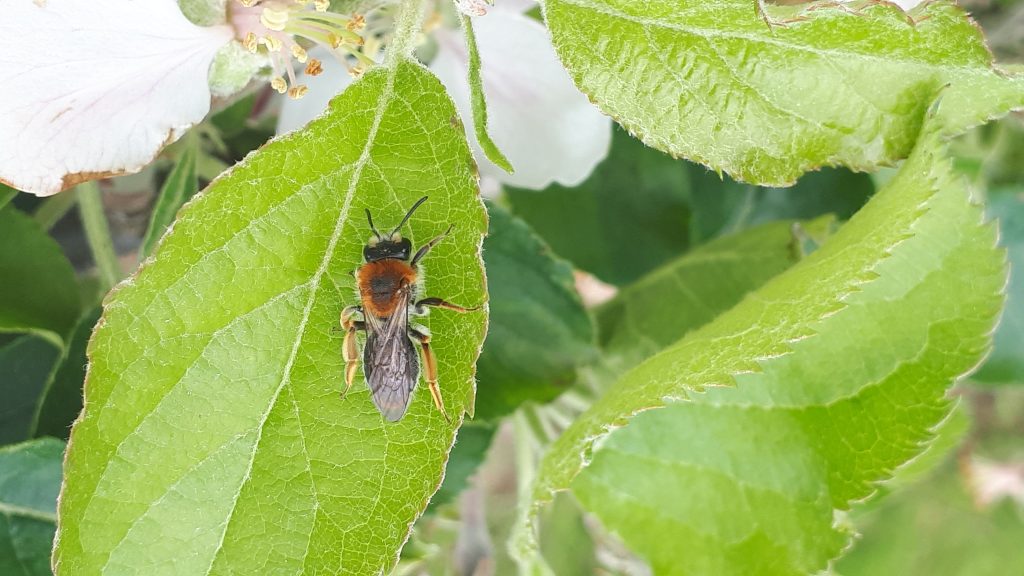
The adult hoverflies feed on nectar and pollen, however their larvae are predators of aphids (small bugs feeding on internal fluids of the plans, damaging them) and other pests. This means that hoverflies are not only important pollinators, but also efficient pest control.
Would you like to discover how to distinguish hoverflies from bees?
Do you need identification tools for hoverflies?
Would you like to learn more about how to become aphicides-free by moving to a regenerative agriculture system that uses hoverflies as pest control?
To find out the answers to these questions (and all the other questions buzzing in your mind), explore our toolbox.
Not sure how to use the toolbox?
Butterflies and moths
Butterflies and moths belong to the Lepidoptera order. There are more than 11,000 species of lepidoptera in Europe, of which 501 species of butterfly and the rest are moths. Lepidoptera do not nest but use different habitats for the different stages of their life cycle. Adult butterflies mainly feed on liquid substances, such as nectar. Adult moths feed on a diverse range of flowers and crops that daytime pollinators might miss and therefore help to maintain biodiversity.
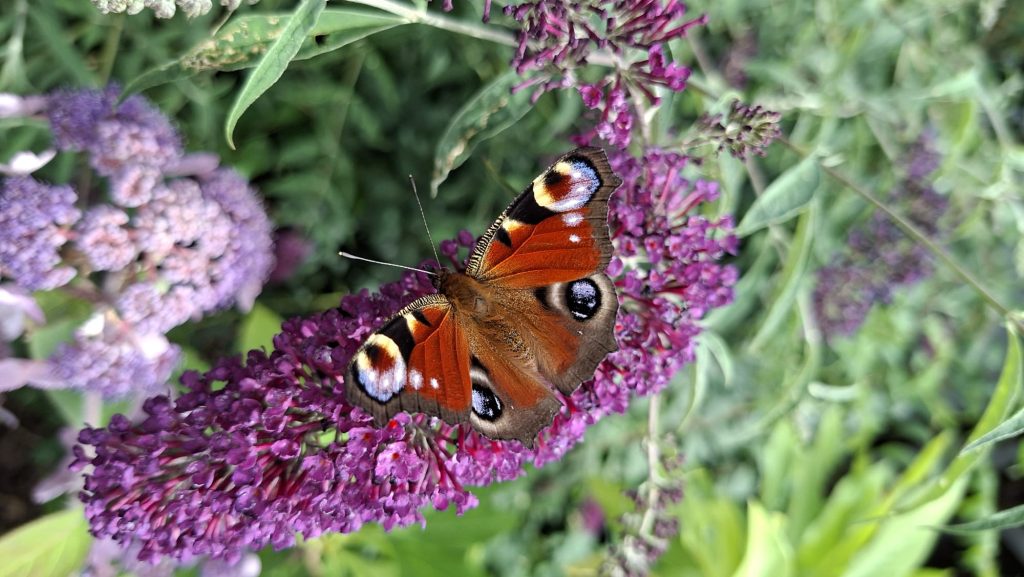
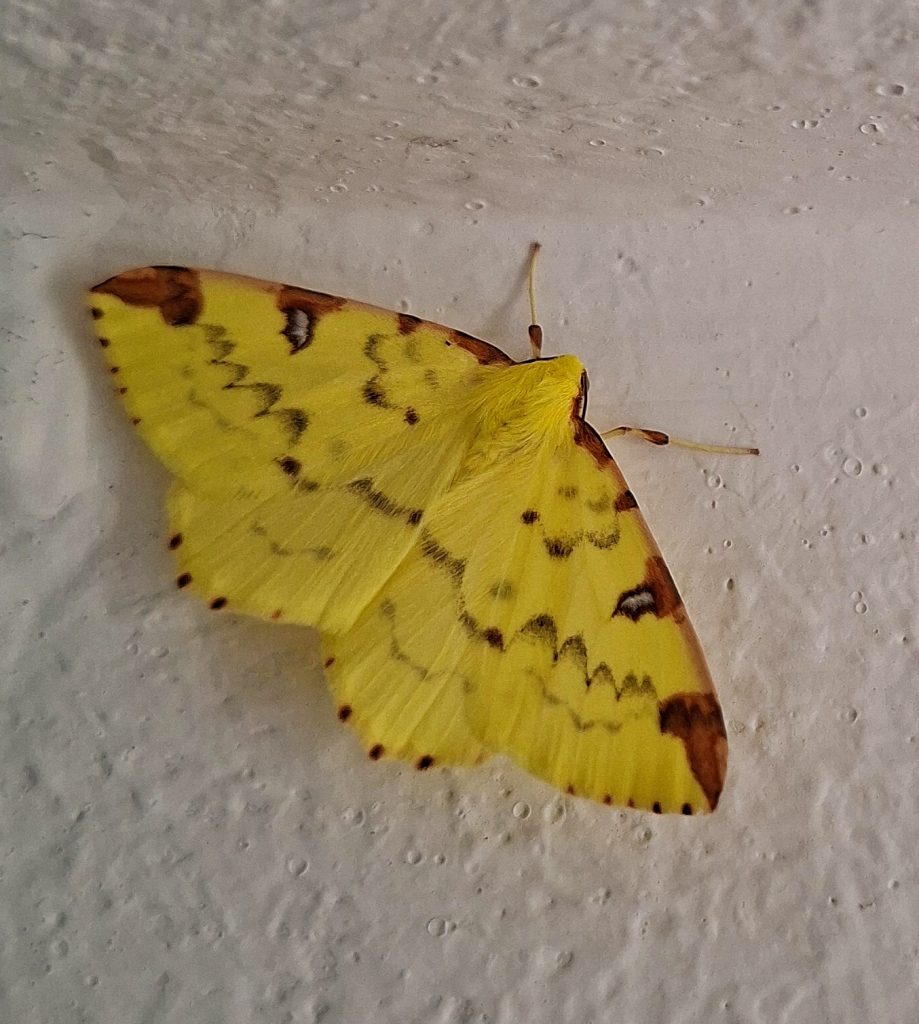
Would you like to explore photographic guides to easily identify butterflies?
Would you like to contribute with your counts to butterfly records across Europe?
Would you like to contribute to protecting nocturnal pollinators?
To find out the answers to these questions (and all the other questions buzzing in your mind), explore our toolbox.
Not sure how to use the toolbox?
To understand the importanceof pollinators, just think that 60-90% of wild flowering plant species depend on animal pollinators, and that 75% of all crop species used for human food (accounting for 35% of the crop production) benefit from animal pollination. This has economic implications with a yearly economic value of insect pollination estimated around € 153 billion (and € 22 billion in Europe).
Both the abundance and the diversity of the pollinators contribute to crop yield and quality. This means that diverse communities of pollinators contribute more efficiently to crop pollination than single species. Besides food provision, pollinators contribute to medicines, biofuels, fibres, construction materials, musical instruments, arts and crafts, recreational activities and much more.
Would you like to learn more about pollination and food production?
Would you like to explore funds and resources to support sustainable agriculture?
To find out the answers to these questions (and all the other questions buzzing in your mind), explore our toolbox.
Not sure how to use the toolbox?
Research has shown that several of insect pollinators species have undergone substantial declines. Overall, 0.4% of European bee species are considered critically endangered, 2.4% endangered, 1.2 % vulnerable and 5.2% nearly threatened, with overall threatened species estimated to be between 4% and 60.7%.
Non-bee species groups are also declining with 37% of European hoverfly species considered threatened with extinction and 1% of butterfly species considered critically endangered, 3% endangered, 5% vulnerable and 10% nearly threatened.
Given the importance of pollinators for the environment, their global decline is expected to have consequences for ecosystems.
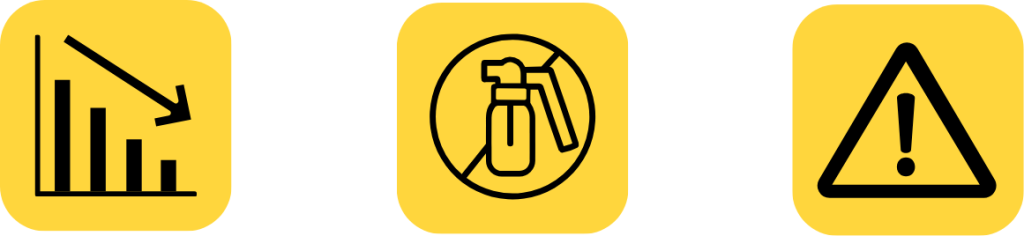
The main causes for pollinators decline are attributed to human activities and include habitat degradation, climate change, pesticides, invasive species (including pests and diseases).
Would you like to learn how these factors interact and contribute to an increasingly negative impact on pollinators?
To find out the answer to this question (and all the other questions buzzing in your mind), explore our toolbox.
Not sure how to use the toolbox?
One of the major causes of pollinator decline is habitat degradation. This is directly connected to the loss of habitat that can support the different stages of insect life cycles and that pollinators can use to feed, nest and mate. Important features to support pollinators are:
- Flowers: Pollen and nectar are the main food resources for pollinators.
- Hedgerows: This feature provides food, shelter, nesting and corridors that connect different habitats.
- Unmanaged areas, earth banks and bare ground, cavities: Areas left unmanaged (left unmown and not sprayed with pesticides, with flowers, burrows, tussocky grass, and underground cavities) are important to provide food (floral species) throughout the year, and nesting opportunities for species like bumble bees. Earth banks and bare ground areas are used by mining bees to nests. Cavities present in trunks, stone walls, and stems are used by cavity-nesting bees.
- Management: Pollinators need different resources at different times of the year, depending on their life cycle. Overuse of chemicals such as pesticides can make it difficult for pollinators to find food or directly harm them.
Which flowers should I plant in my garden or in my farm to support pollinators?
What is the best way to manage hedgerows to support pollinators?
How do I create a wild pollinator nesting habitats?
How do I support the pollinators throughout the different seasons?
How do I manage my orchard to support pollinators?
How do I structure my garden to support pollinators?
How do I cut my lawn to support pollinators?
How do I quantify how well my farm management supports pollinators?
Which are the DOs and DON’Ts for pesticide use?
To find out the answers to these questions (and all the other questions buzzing in your mind), explore our toolbox.
Not sure how to use the toolbox?
Toolbox beginner’s guide
Discover a collection of over 100 free and open source resources to take action. This toolbox was created as part of the RestPoll project.
Explore the toolbox by filtering it based on who you are, where you are, and what your interests are.
Our tools include:
- Websites
- Frameworks
- Guidelines
- Networks
- Apps
- Datasets
- Protocols
- Reports
- Scientific papers
- Workshops
To help you with:
- Habitat restoration
- Research and learning
- Data collection and analyses
- Supporting governance decision
- Sustainable habitat management
- Planning your journey to help pollinators
- Identification of plants and insects
- Biodiversity, conservation and ecosystem services measures
- Quantification of your land performance and economic values of pollination
All you have to do is select your preferences using the “I am“, “I am interested in“, and “Tool language” filters, and a list of relevant tools will appear in the results list.
Do you already know what you’re looking for? Simply enter your keywords in the search bar, and the most relevant tools will appear in the results list.
Not sure which filter is best for you? Learn more about the filter categories:
- Agriculturalist: Agronomist, Beekeeper, Farmer, Farmer Advisor, Food Producer, Gardener, Land Manager.
- Researcher & Educator: Citizen Scientist, Professor, Researcher, Teacher
- Government & Policy Maker: Funding Agency, Local Governance, National Governance, Policy Maker
- Business & Market Actors: Business and buyers
- Civil Society & Community: Conservationist, Local Community Group, NGO, Volunteer
- General Public: Individual
- Learning: Learning about biodiversity/pollinators.
- Species Identification: Identifying plant and pollinator species.
- Conservation & Habitat Management: Adopting sustainable and regenerative farming practices; Conserving habitats and biodiversity; Creating and managing semi-natural farm habitats; Protecting and enhancing pollinator health; Supporting pollinators through plant and crop management; Reducing pesticide use with effective alternatives.
- Monitoring & Assessment: Assessing delivery of ecosystem services (e.g. pollination); Monitoring pollinators/biodiversity; Record pollinators
- Research & Data: Available Datasets; Research protocols; Surveying methods.
- Farm Performance & Decision Support: Calculating farm performance; Increasing productivity; Strategic farmland planning.
- Compliance & Funding: Accessing funds; Participation in agri-environmental schemes; Regulatory compliance.
- Reporting & Business Sustainability: Sustainability reporting; Corporate sustainability reporting (CSR); Developing sustainable sourcing policies; Managing sustainable supply chains; Conducting portfolio analysis and management; Risk management and assessment.
- Beekeeping & Hive Products: Producing hive products (e.g. honey).
The RestPoll toolbox includes tools in most European languages:
- Albanian
- Basque
- Breton
- Belarusian
- Bulgarian
- Catalan
- Czech
- Danish
- Dutch
- English
- Estonian
- Finnish
- French
- Galician
- German
- Greek
- Hungarian
- Italian
- Lithuanian
- Latvian
- Luxembourgish
- Macedonian
- Norwegian
- Occitan
- Polish
- Portuguese
- Romanian
- Russian
- Serbian
- Slovak
- Slovenian
- Spanish
- Swedish
- Turkish
- Ukrainian
- Welsh
If you don’t know where to start – don’t worry we’ve got you covered! We have summarised the many ways you can get involved into 5 actions: Read, Record, Rethink, Restore, Rally.